Refining represents the stage where maximum resource value is unlocked. Lithium-ion batteries contain critical minerals essential for clean energy technologies, electric mobility, and energy storage systems. Through structured processing pathways, recovered active materials are prepared for refining and reintegration into the battery manufacturing supply chain.
Currently, through our mechanical processing and controlled crushing operations, we recover multiple valuable material streams, including:
Black Mass — containing lithium, cobalt, nickel, and other active materials — is the most valuable output of the mechanical processing stage and feeds directly into downstream hydrometallurgical refining.
Saava Greens is also progressing with a pilot-stage hydrometallurgical project focused on refining black mass into high-value critical mineral intermediates. This initiative supports the development of domestic mineral recovery capabilities and a stronger circular battery economy in India.
Saava Greens is developing a hydrometallurgical refining pathway aimed at recovering critical minerals from lithium-ion battery-derived black mass.
The refining route involves stages such as controlled leaching, impurity removal, selective metal recovery, and crystallisation, supported by laboratory analysis and process monitoring at each stage.
Currently, our operations focus on mechanical processing and material separation, generating high-quality black mass and metal fractions for further refining by certified downstream partners.
Hydrometallurgical processing is being advanced through pilot-stage development, supporting future recovery of critical minerals within India's circular battery ecosystem and reducing dependency on imported refined materials.
Controlled size-reduction to liberate active materials and create clean material fractions for downstream separation.
High-quality black mass and metal fractions (Copper, Aluminium, Iron) are separated using density and magnetic techniques.
Selective dissolution of active cathode materials from black mass to bring critical minerals into aqueous solution.
Sequential precipitation and solvent extraction to isolate Lithium, Cobalt, Nickel, and Manganese streams.
Final conversion to battery-grade mineral intermediates suitable for re-entry into the cathode material supply chain.
Through dismantling and mechanical processing, Saava Greens currently recovers the following material streams, each directed toward responsible downstream processing and reinvestment.
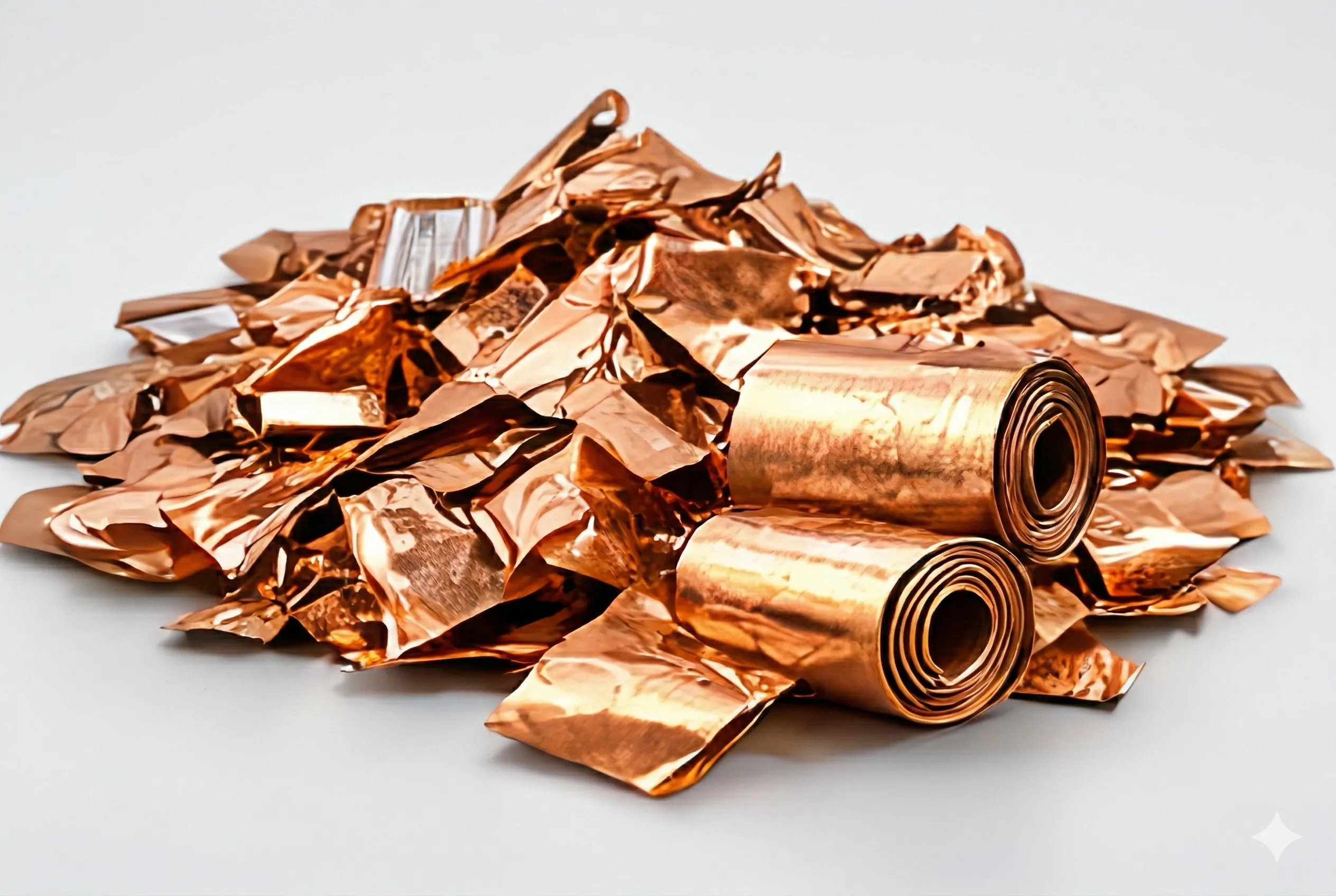
Recovered from current collectors and wiring; remelted for electronics and industrial use.
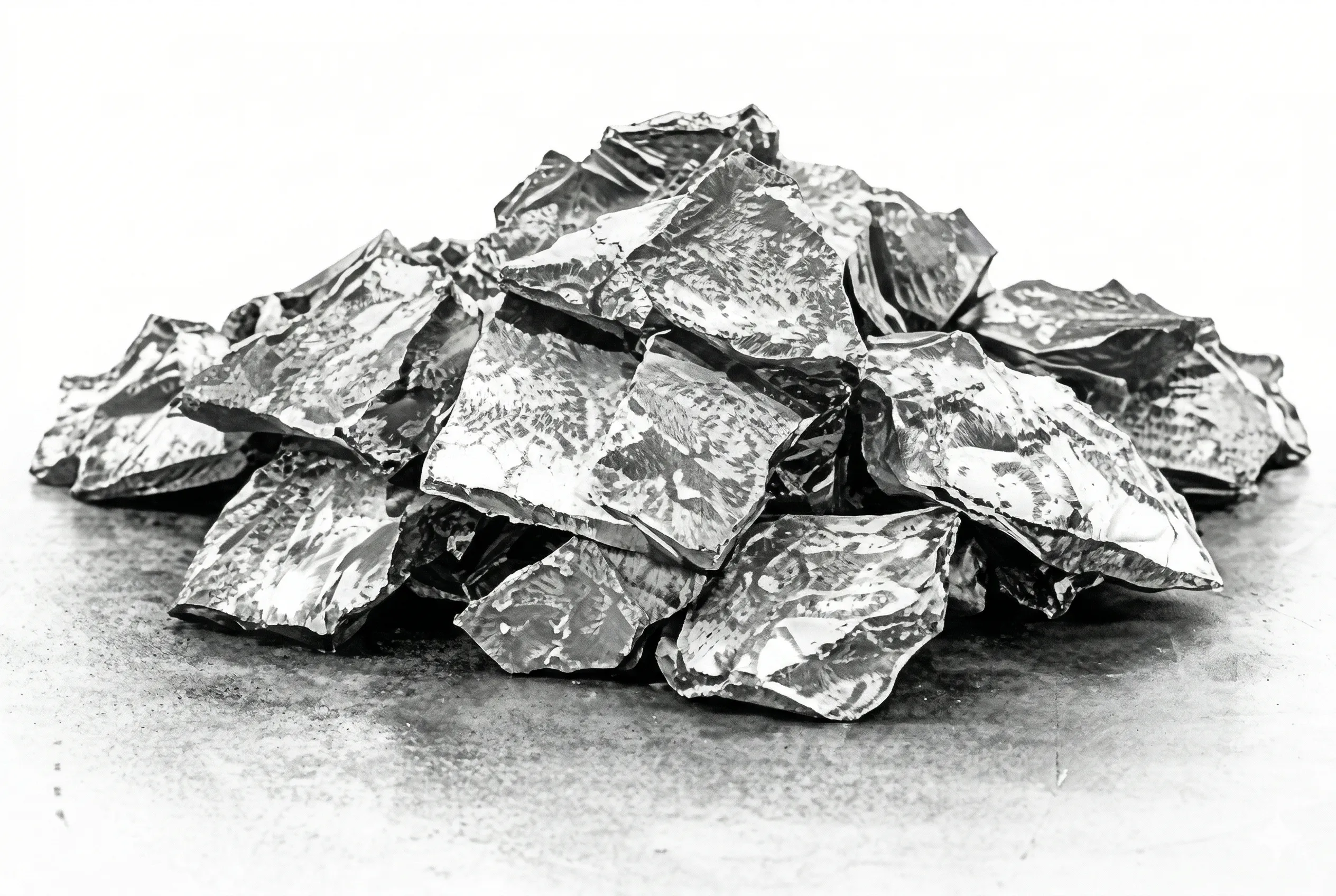
Separated from cathode foils; recycled for packaging, automotive, and engineering applications.
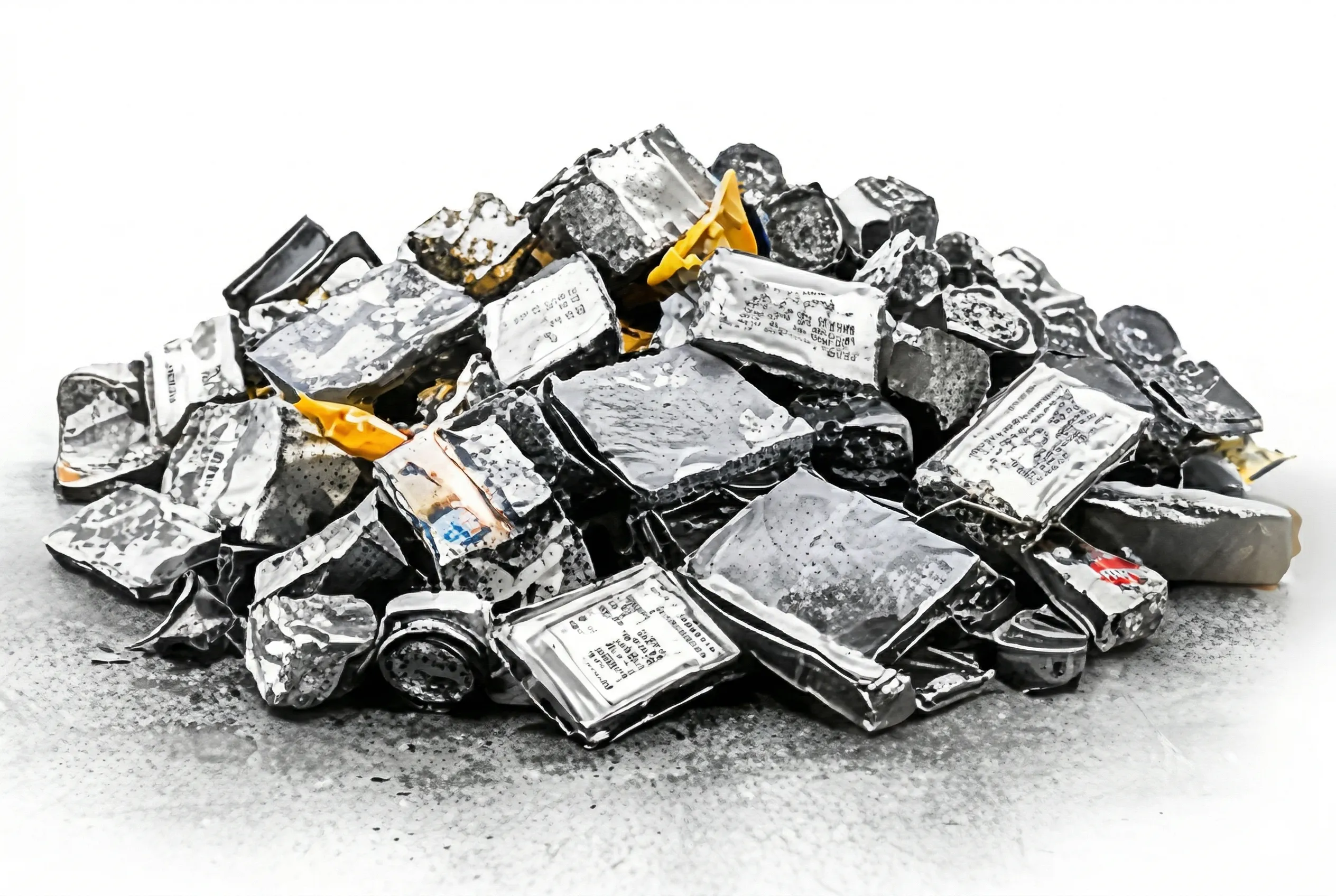
Extracted from casings and structural components; directed to ferrous metal processing streams.
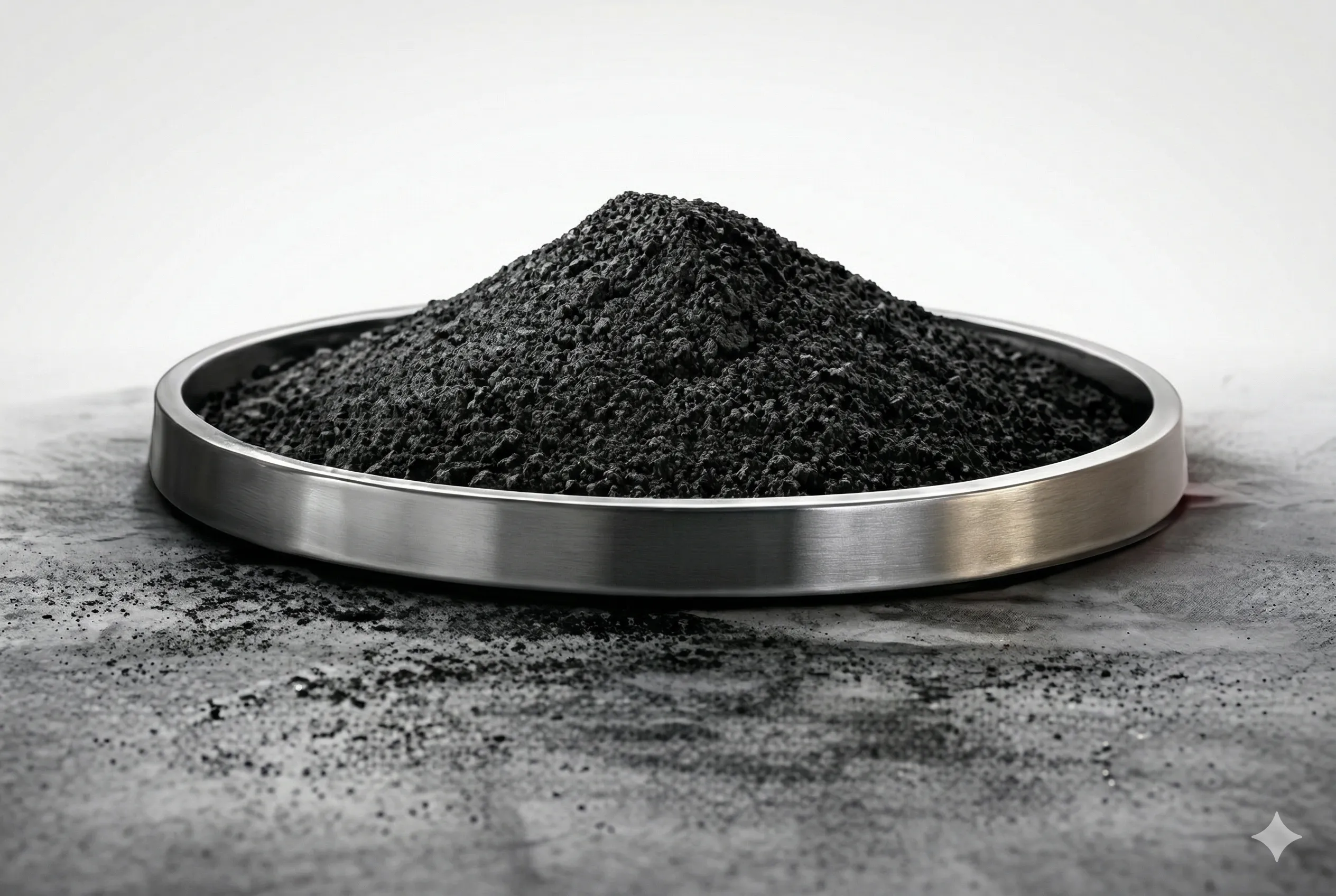
The primary output containing Lithium, Cobalt, Nickel, Manganese — feeds hydrometallurgical refining.
Hydrometallurgical processing represents the next frontier of Saava Greens' refining capabilities. Unlike pyrometallurgical methods, this approach uses aqueous chemistry at lower temperatures, resulting in higher selectivity, lower energy consumption, and more precise mineral recovery.
Our pilot-stage development is focused on establishing domestically operated capability for the full conversion of black mass into individual critical mineral intermediates — lithium carbonate, cobalt sulphate, nickel sulphate, and manganese sulphate.
Once scaled, this pathway will position Saava Greens as a vertically integrated battery material recovery company, capable of closing the loop from battery waste to battery-grade mineral output entirely within India.
This initiative is aligned with India's National Critical Mineral Mission and the broader push for domestic self-sufficiency in battery supply chainssupporting electric mobility and grid storage.
Black Mass Pre-treatment: Thermal and mechanical conditioning to remove binders and graphite.
Acid Leaching: Dissolution of cathode active materials in controlled acidic media.
Impurity Removal: Sequential precipitation to remove iron, aluminium, and copper contaminants.
Selective Metal Separation: Solvent extraction or ion exchange to isolate Co, Ni, Mn streams.
Lithium Recovery: Evaporation and precipitation to produce lithium carbonate or lithium hydroxide.
Product Crystallisation: Final purification to battery-grade mineral salt specifications.
Refining is not simply metal extraction — it involves precision chemistry, advanced process control, and responsible regeneration of critical resources.— Saava Greens Pvt. Ltd.