01
Screening

02
Discharge
03
⚡ Shredding
↓
↓
↓
Copper
Cu metal recovery
Aluminium
Al metal recovery
Iron
Fe metal recovery
Black Mass
Li · Co · Ni · Mn
Every lithium-ion battery has a story.
In today's world, lithium-ion batteries power everything—from the phone in your hand to electric vehicles on our roads and renewable energy storage shaping tomorrow.
But what happens when that battery reaches the end of its life? For many, it becomes environmental waste, posing risks to our ecosystem if not handled correctly.
For Saava Greens Pvt. Ltd., it becomes a responsibility. We ensure these batteries are diverted from landfills and channeled into a scientific recovery process.
From collection to critical mineral recovery — every stage is controlled, documented, and environmentally compliant.
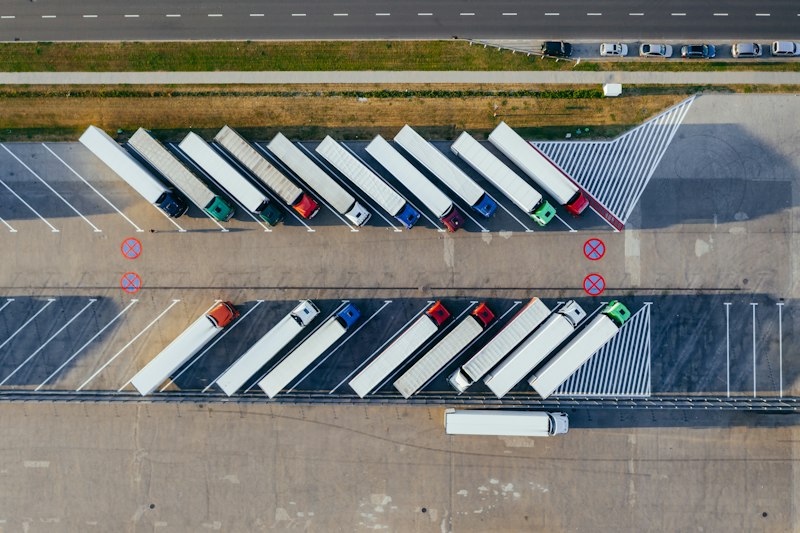
The process starts with authorised collection from OEMs, battery partners, and scrap aggregators. Instead of unsafe disposal, end-of-life batteries enter a regulated recycling chain designed to protect the environment and recover valuable resources.
Every collection is accompanied by proper documentation, ensuring traceability from source to processing and full regulatory compliance at the point of intake.
Lithium-ion batteries can still contain residual energy, making safe transport critical. Every shipment follows strict safety protocols, proper packaging, and regulated logistics standards to ensure safe movement of materials.
Our transport partners are trained in hazardous material handling, and all movements are tracked with GPS-enabled logistics to maintain chain-of-custody integrity.
At our facility, all incoming batteries are received & documented, inspected for safety, and sorted by chemistry & format.
This ensures complete traceability and prepares the materials for efficient recycling. Sorting by chemistry (LFP, NMC, LCO, NCA) enables the most effective downstream processing routes.
After sorting and preparation, materials are transported to our advanced lithium-ion recycling plant in Ahmedabad. This is where battery waste begins its transformation into valuable resources.
The Ahmedabad facility is equipped with the infrastructure, technology, and regulatory authorisations required to safely process diverse battery chemistries at scale.
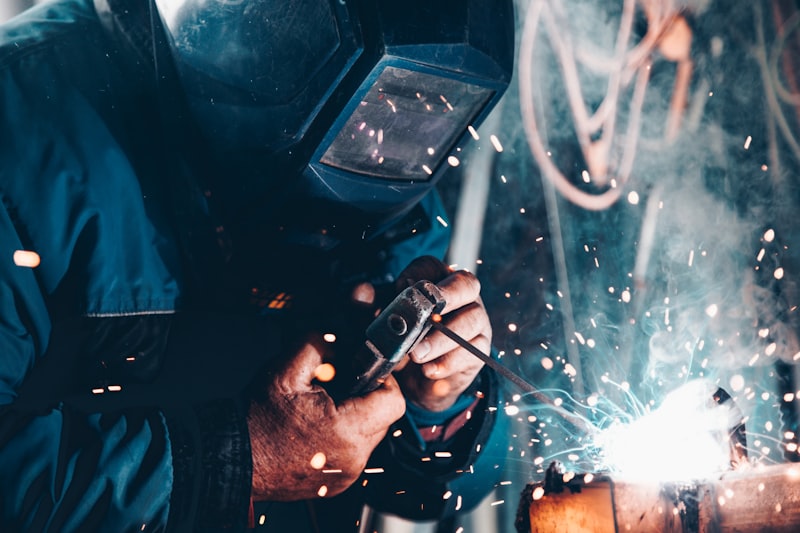
Inside the facility, advanced processes safely break down battery components across three controlled stages:
This is the moment where waste becomes opportunity.
Our recycling process recovers important materials, including:
Black mass contains Lithium, Nickel, Cobalt, and Manganese — the critical minerals used to manufacture new batteries and essential to the global clean energy transition.
Recovered materials re-enter the battery manufacturing supply chain, supporting new battery production and reducing the demand for virgin mineral extraction.
Nothing wasted. Everything recovered.
This is how circular battery recycling works.
With a 10,000 MT annual recycling capacity, Saava Greens supports India's transition to clean energy by delivering a domestically operated, vertically integrated battery recycling solution.
Every battery processed contributes to the development of a self-sufficient Indian battery material supply chain, reducing import dependency and supporting local industrial growth.
Recycling is not the end of a battery. It is the beginning of its next life.— Saava Greens Pvt. Ltd.