Lithium-ion batteries power electric vehicles, mobile devices and grid-scale energy storage. But every battery has an end-of-life — and how we handle that moment decides whether its materials become pollution or a resource.
The stakes are rising fast
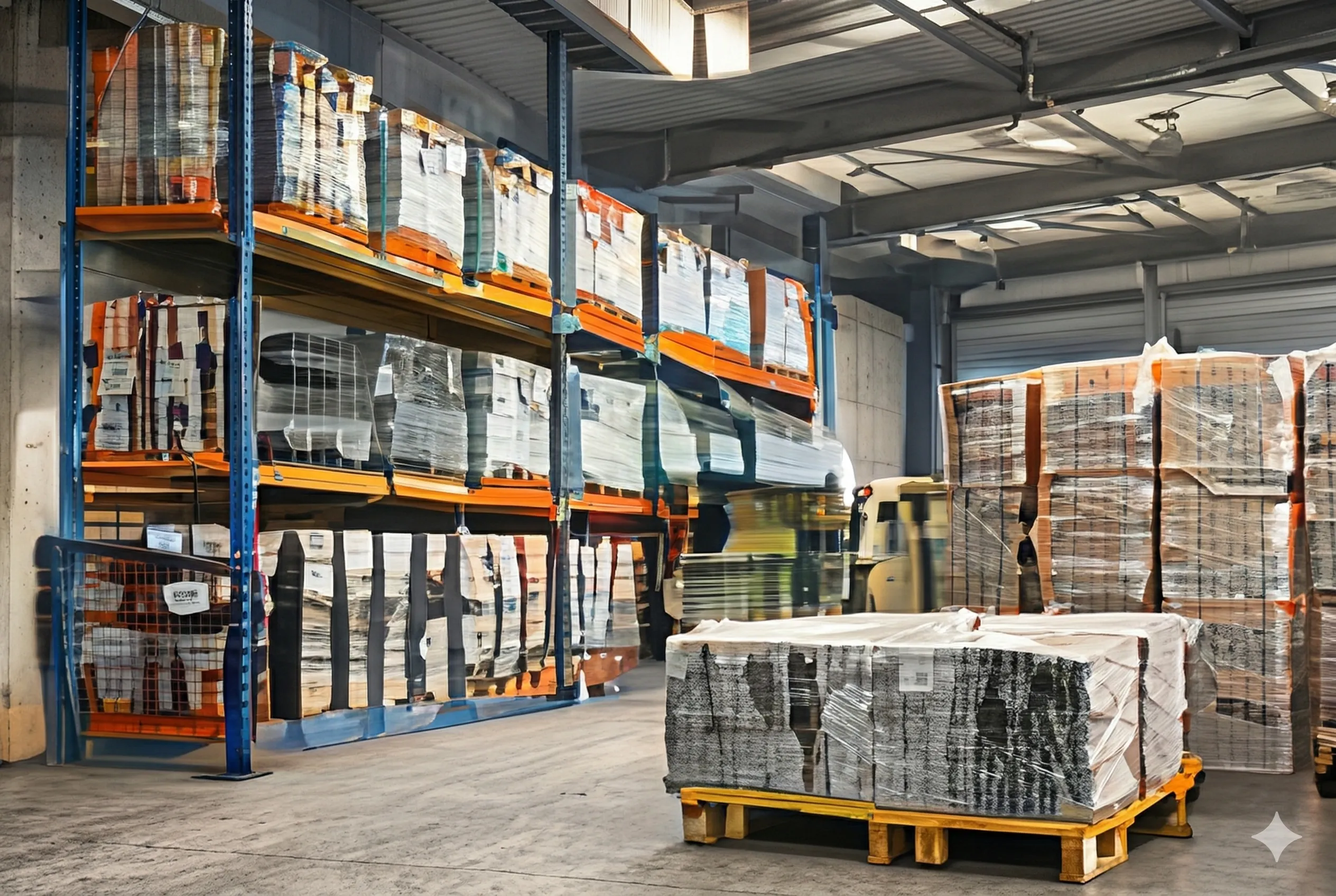
Unmanaged batteries entering informal scrap channels pose fire, contamination and public-health risks. At the same time, they contain lithium, cobalt, nickel, manganese, copper and aluminium — critical minerals the clean-energy transition depends on.
A scientific, compliant alternative
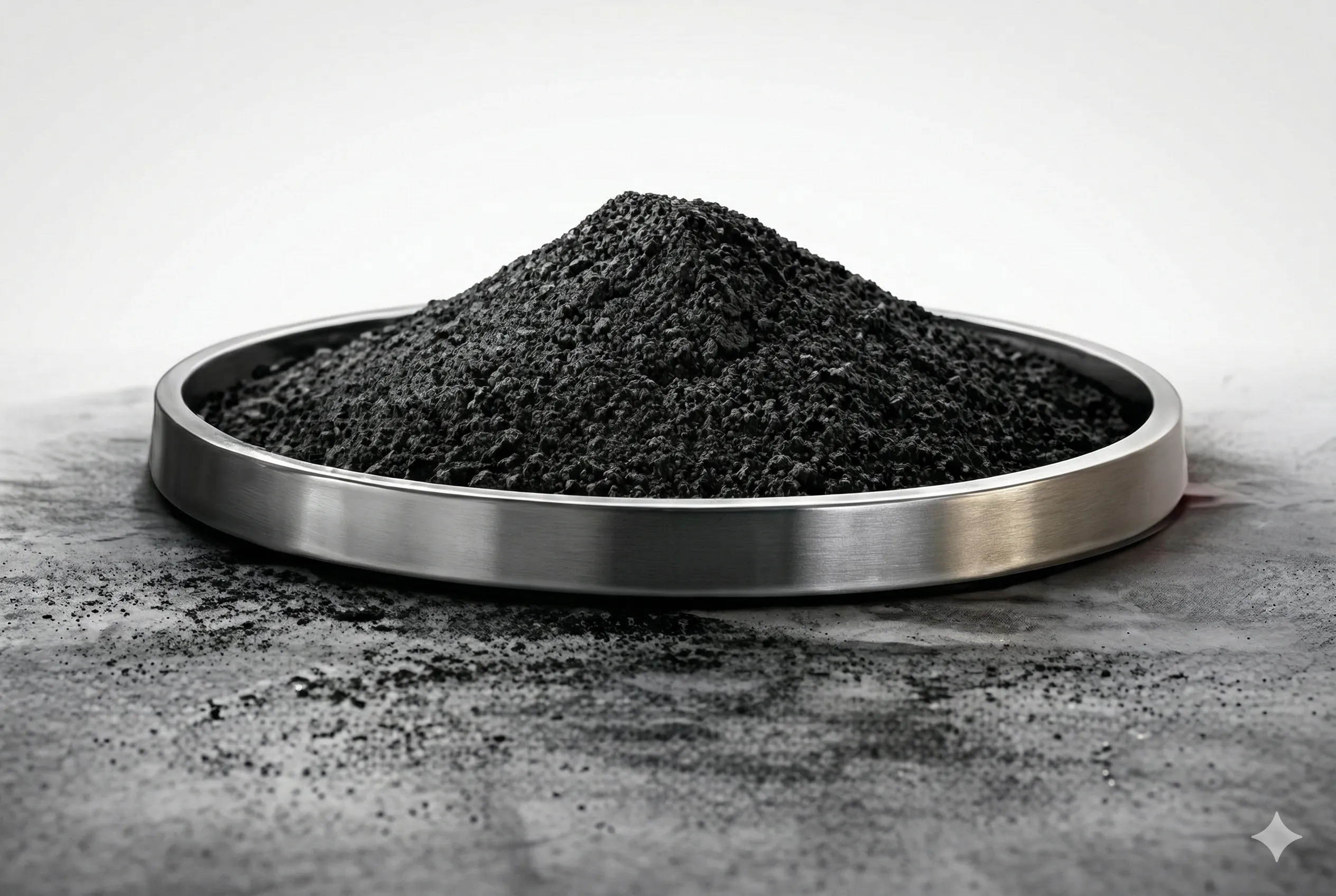
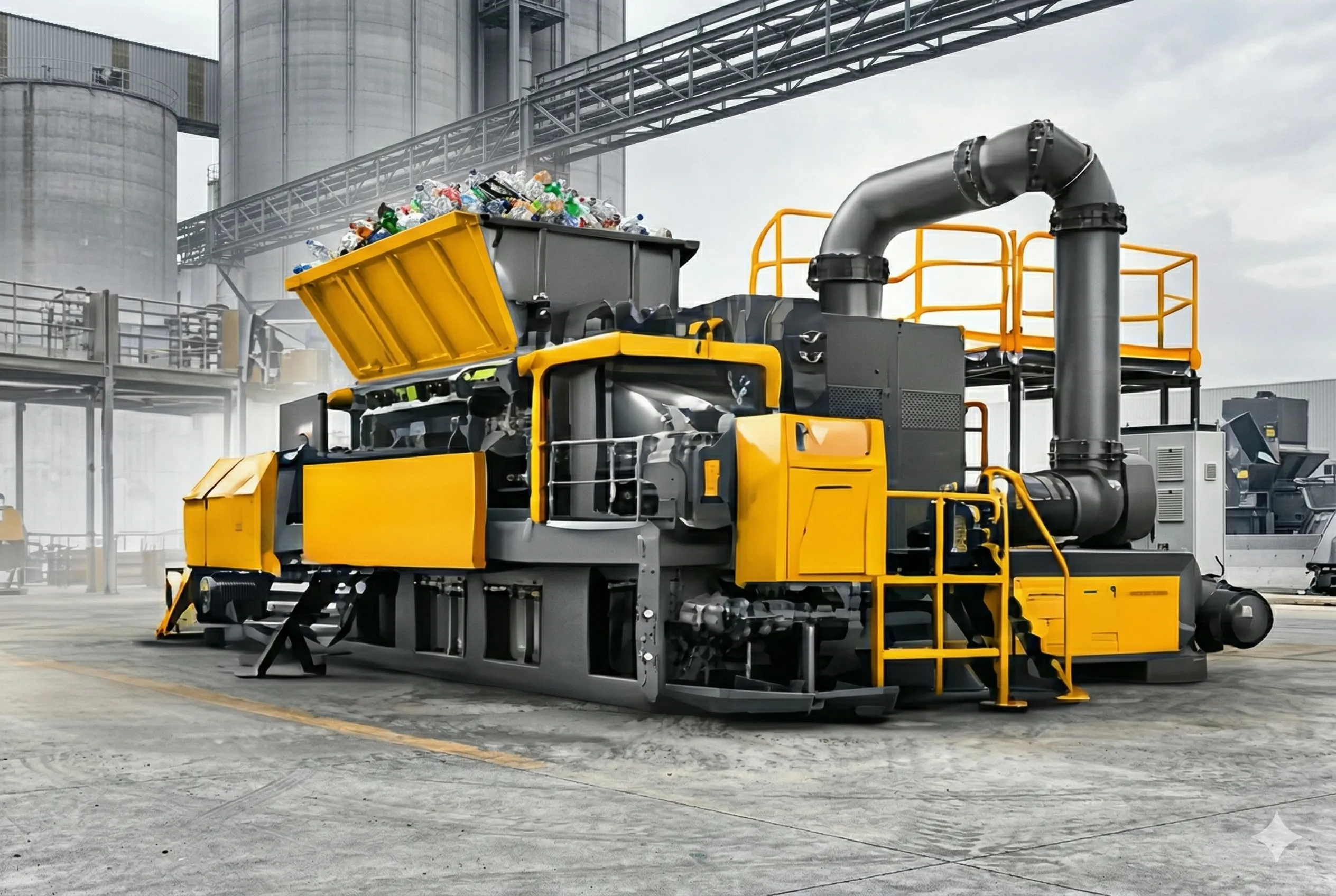
Responsible recycling recovers those minerals under CPCB-authorised, documented processes — from safe discharge and controlled dismantling to black-mass recovery. Nothing is wasted; the materials re-enter the manufacturing supply chain.
Recycling, done right, is not the end of a battery's journey — it is the beginning of a new resource lifecycle.